Activity
-
Tamar Andrews posted an articleB’tzelem Elohim - The Divine Spark in Each of Us see more
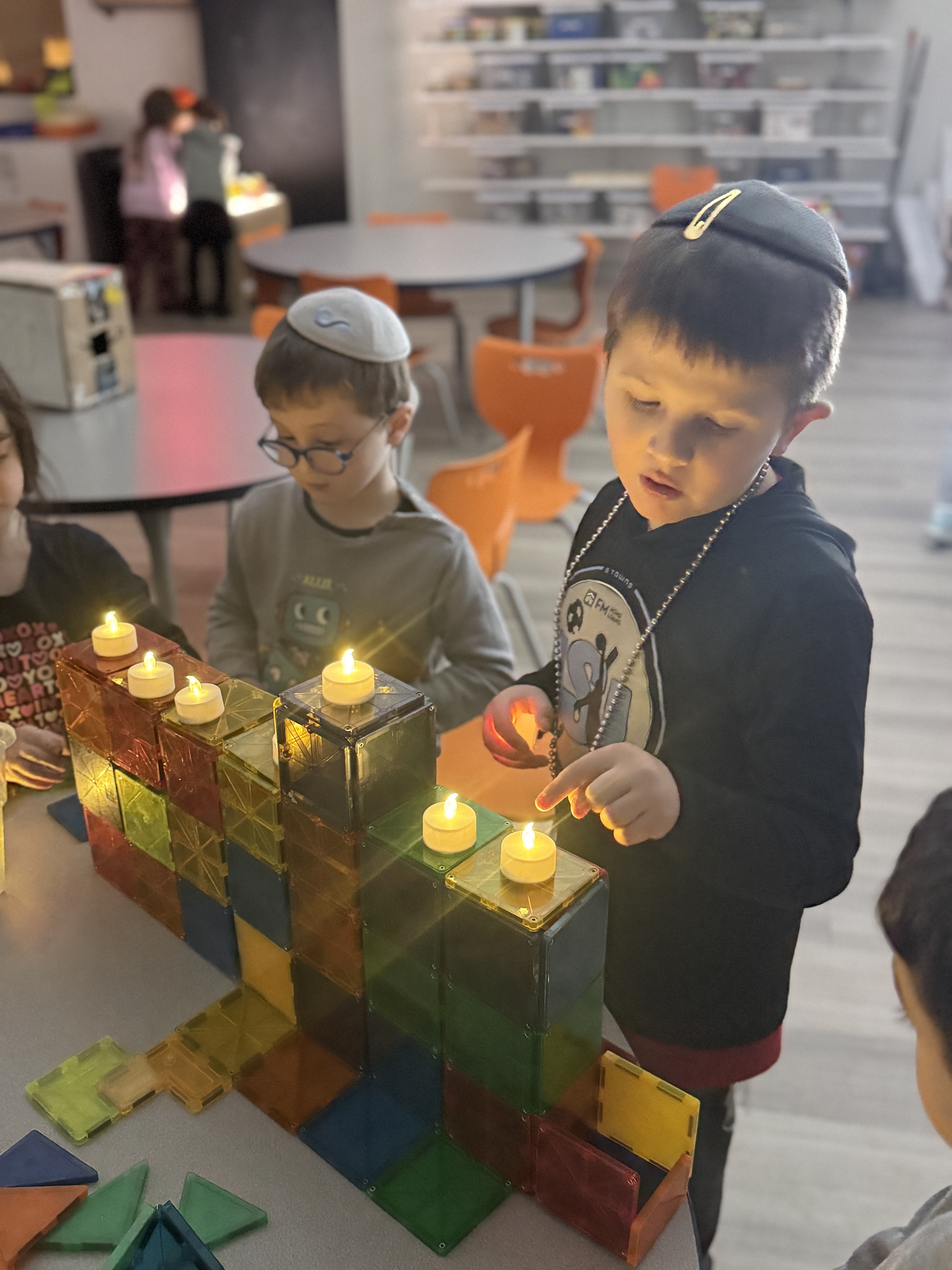
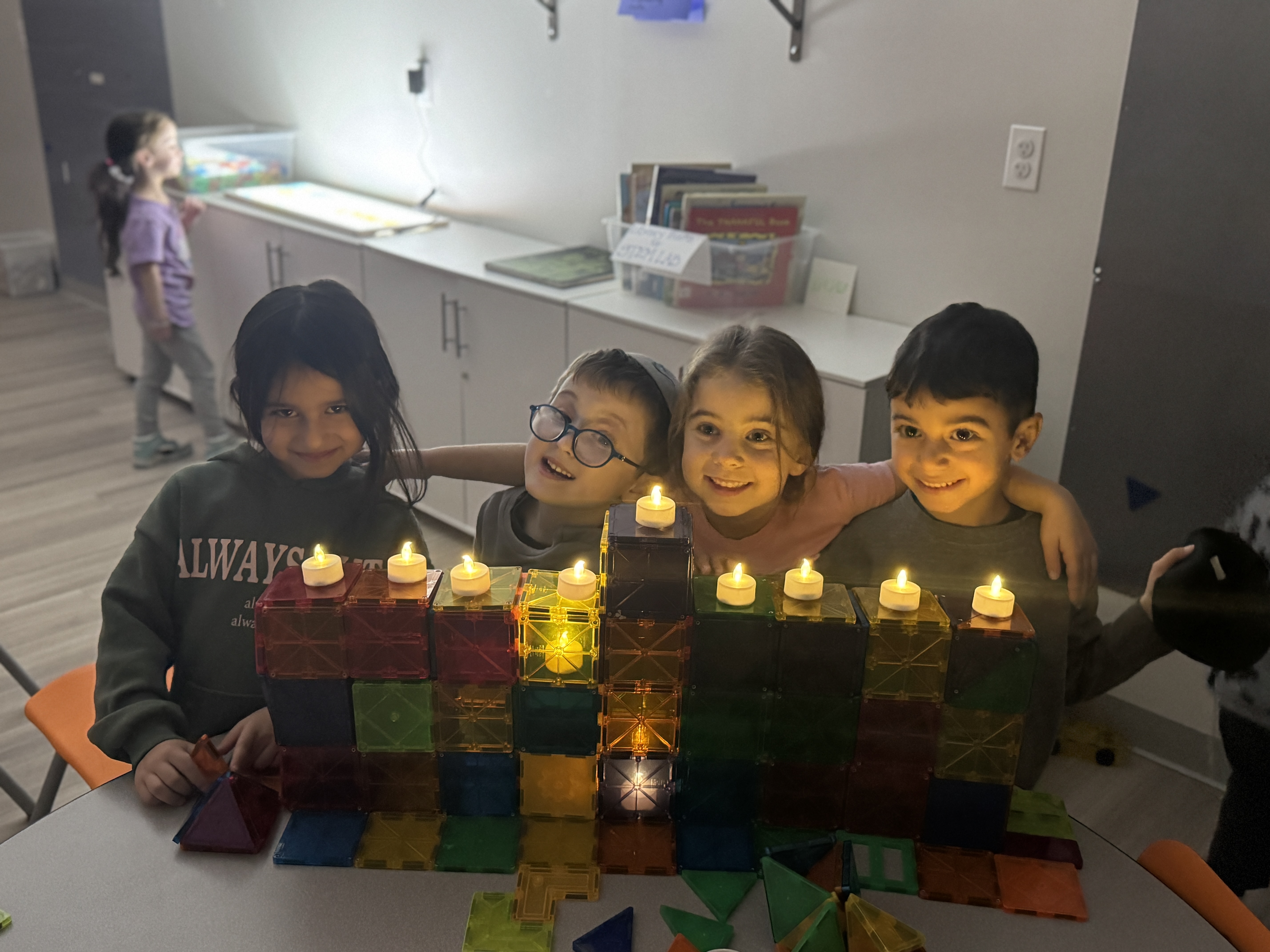
In Jewish preschools, themes of light and dark are filling our classrooms. Our Jewish tradition speaks of how each human being is created b’tzelem Elohim, in the image of God, and as such, each child arrives with a spark of the Divine, and that this spark is part of who they are. When teachers see children through this lens, they stop asking, “how can I get this child to learn and fit in,” and start asking, “what is the light in this child and how can I nurture it to grow?”
This perspective is important in the early years when a child is developing a sense of self and identity. When children repeatedly hear through our words and actions that their ideas matter,they begin to understand that their presence makes the world a better and brighter place.
Agency is the Oxygen for the Divine Spark
We know that a child’s inner light requires agency to grow. Agency means having real choices, a voice that is heard, and opportunities to influence what happens in the classroom. Without agency, that spark can smolder.
To help a spark truly ignite, we have to move away from doing things to children and more towards doing things with children.
Creating Classrooms that Feed the Fire
To create a classroom that invites light, the environment must be designed as a place where their choices truly matter. Provide materials that are open-ended, accessible, and displays that feature the work of children. The rhythms of the day should be a shared collaboration format that helps honor the spark.
Teachers:
- Write down children’s unique questions,
- Photograph scenes of random acts of kindness,
- Notice when the child’s inner light becomes visible and name it as holy.
For example, tell a child that “when you invited your friend to play with you, you shared your light.” Over time, children will understand that the mitzvot they do, the acts of kindness and justice they engage in are natural expressions of the spark that resides within each of them.
From Inner Spark to Shared Light
This Hanukkah, when we place our candles in the window so that the light of Hanukkah can be shared, remember to notice the inner light of each child so it too, can be shared. Their agency becomes the way in which their individual divine sparks flow into relationships, their communities, and the world.
Dr. Tamar Andrews
American Jewish University
Masor School for Jewish Education and Leadership
Director of Early Childhood Education Programs
Associate Professor for BA ECE, MAEd ECE, EdD ECE Leadership
-
 Andy Brenits posted an articleBringing animals into the classroom is more than just a fun novelty; it can be a powerful tool for l see more
Bringing animals into the classroom is more than just a fun novelty; it can be a powerful tool for learning, bolstering emotional development, and fostering responsibility in students. From reptiles to hedgehogs to chickens, animals offer a range of educational and social benefits that enrich the classroom environment in meaningful and lasting ways.
Promoting Empathy and Compassion
One of the most profound impacts of having classroom animals is the way they nurture empathy, kindness, and compassion in children. Caring for a living creature requires students to think about the needs and feelings of another being. This is so important for healthy social development. Take Cinnamon, the hedgehog, for example. Voted on by a Pre-K 4 classroom, Cinnamon quickly became part of the daily routine. Over time, students who were initially hesitant or nervous began to feel comfortable holding her. Watching this relationship blossom has been a powerful reminder of how empathy and trust are built through shared experience.
Teaching Responsibility and Care
Animals require consistent care such as feeding, cleaning, and attention. Students who are involved in this daily routine learn accountability and time management. Educators can assign rotating responsibilities, helping students understand the importance of caring for a valuable learning moment. After 18 months of thinking their beloved bearded dragon was male, one class arrived to find 19 eggs! The sense of awe, curiosity, and excitement this created was unforgettable. It wasn’t just a science lesson, it was a spark of wonder that connected students emotionally to the natural world.
With classroom pets like Luna the leopard gecko, who lost her tail and has been regrowing it before students’ eyes, children learn to be observant and attentive. They gain a deeper understanding of science while practicing patience and consistency in care. Chickens can add another unique layer of responsibility and excitement. Students take turns feeding them, cleaning the coop, and collecting eggs, an experience that feels like finding a golden goose egg each day. The joy and anticipation of discovering eggs creates a sense of awe and connection, while also reinforcing the value of routine and care. A stuffed animal can go home with the student, where students write about their adventures together in a journal. This simple tradition strengthens the home-school connection, encourages literacy, and gives every child a chance to feel connected to the class pet, and is easier for the parents than caring for a live animal!
Enhancing Academic Learning and Financial Literacy
Animals can be integrated into lessons across various subjects. Science classes can study animal biology, life cycles, and behavior. Language arts can use animals as writing prompts or storytelling inspiration. Math lessons can incorporate feeding schedules or tracking weight and growth. These real-world applications make learning more engaging and meaningful. In two classes, students were studying pioneers and inventors when they welcomed two tortoises. Inspired by their research, they named them Michael Jordan and Amelia Earhart. This thoughtful naming process tied into history, bringing academic topics to life in a memorable way.
Classroom animals are a great way to introduce financial literacy into the classroom. With chickens, students can collect and sell eggs to families, learning budgeting, goal setting, and basic economics. In choosing and purchasing a classroom pet, students can brainstorm innovative fundraising ideas to help raise the money, transforming a financial goal into a team effort rooted in real-world skills.
From voting on classroom animals to watching Luna regrow her tail, or seeing timid hands grow brave enough to hold Cinnamon the hedgehog, every moment creates a special classroom story. While having animals in the classroom requires work and thoughtful planning, the rewards are plentiful.
Shelly Sender
Head of School
The Compass School of Texas
5414 W. Northwest Highway
Dallas, TX, 75220
214-267-9059